Winter shifts how skin behaves. Many people notice tightness after a shower. Makeup settles into lines that did not show before. Even familiar products start to feel different. This usually leads to one question that comes up each year. How should hyaluronic acid fit into a winter routine?
Hyaluronic acid skincare appears straightforward: use a serum, then a cream. However, winter air introduces complications. Dry indoor heat, chilly mornings, and low humidity influence water movement in the skin. This can lead to a confusing sensation: skin feels dry despite multiple layers. Often, this issue stems from the order of application rather than the products themselves.
Understanding hyaluronic acid’s behavior clarifies this: it attracts water but doesn’t produce it. During summer, moisture remains in the air, but in winter, that support diminishes. How products sit on the skin is more important than many realize.
Why Winter Changes The Way Layering Feels
During winter, skin loses water more quickly. Cold air outside and dry air inside both pull moisture away. This happens even without visible dryness. Hyaluronic acid attracts water to the skin surface. Without support, that water does not stay long.
This is where routine order matters. Applying hyaluronic acid to dehydrated skin can feel like a waste of time. The product needs water nearby. That water can come from freshly washed skin or from a light mist. People skip this step often. They apply to dry skin and expect hydration. That expectation leads to disappointment.
Another point that comes up often involves texture. Thicker creams feel comforting in winter. Some people apply them before lighter layers. This blocks movement. Hyaluronic acid works best closer to the skin. Heavy creams place first stop absorption.
This logic explains why winter routines need small changes rather than full replacements. The same products work. The order shifts.
Where Hyaluronic Acid Fits In A Cold-Weather Routine
After cleansing, the skin retains a trace of moisture. This moment matters. Hyaluronic acid works best here. Apply it while the skin still feels slightly damp. This allows the molecule to bind with water already present.
Follow with a moisturizer that seals that water in place. Without this step, hydration fades fast. People assume hyaluronic acid alone works as a moisturizer. This comes up more often than expected. It does not replace a cream. It supports it.
During winter mornings, sunscreen still matters. Dry weather does not reduce sun exposure. Apply sunscreen after moisturizer. This order protects the skin barrier and limits water loss during the day.
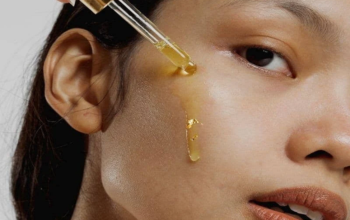
At night, routines can stay similar. Some people add facial oils. Oils sit at the top. They slow water loss. This works well in dry climates and heated rooms.
This simple structure supports hyaluronic acid skincare without excess layers. Too many products create friction. Skin responds better to fewer, thoughtful layers.
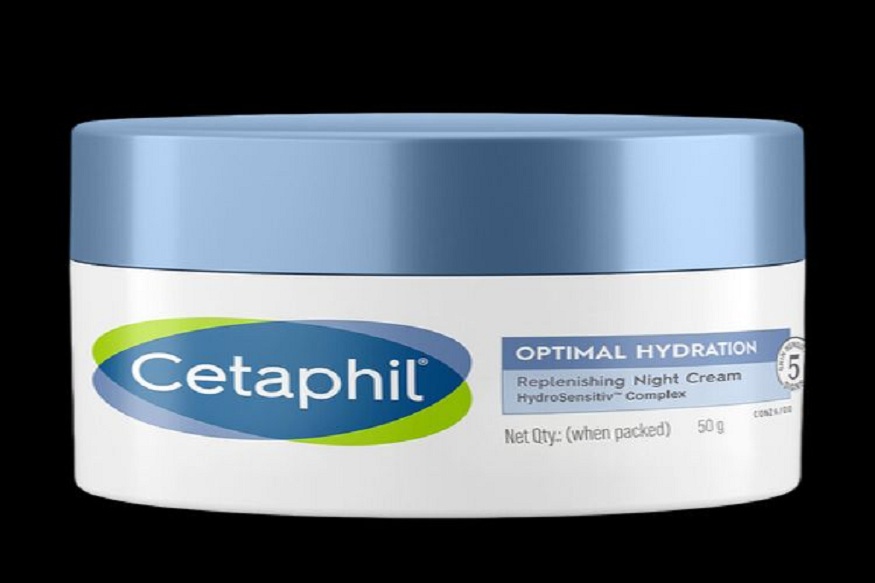
Brands like Cetaphil are often recommended due to their focus on barrier support and simple formulations. In winter, this approach aligns with skin needs rather than seasonal hype.
Common Mistakes That Reduce Results
One mistake involves overuse. More serum does not equal more hydration. Skin absorbs what it can. Excess sits on the surface and feels sticky.
Another issue involves mixing actives. Acids and retinoids dry skin in winter. This does not mean they require removal. It means spacing matters. Apply them on alternate nights or pair with more potent moisturizers.
People also forget climate differences. A routine that works in Mumbai may feel insufficient in Delhi’s winter. Indoor heating changes humidity. Skin reacts to this shift.
Face washing habits also change results. Hot water feels comforting but strips oils. Lukewarm water supports skin balance better.
These minor adjustments protect the skin barrier. Hyaluronic acid skincare works best when the barrier stays intact.
Making The Routine Feel Sustainable
Winter routines fail when they feel complicated. A routine that feels heavy does not last. Simple habits stick better.
Observe skin responses rather than trends. Tightness means water loss. Dullness may mean barrier strain. Adjust layers based on feel rather than rules.
This approach removes pressure. Skincare supports daily comfort rather than perfection.