
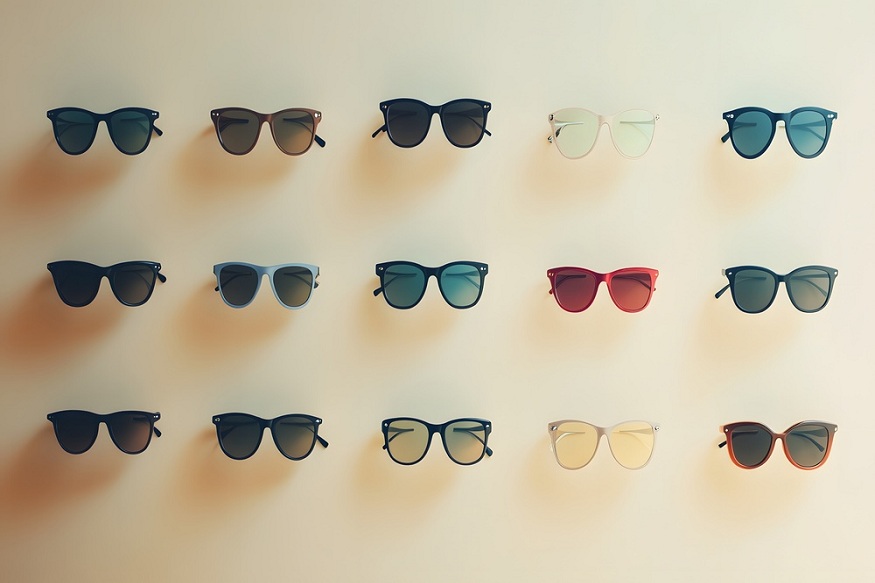
Stores stock way more sunglasses than they used to. You’ll find diverse styles in any retail store. Ten years ago? Maybe five basic options. Now there are dozens. Some cost ten bucks. Others cost two hundred. Retailers now see sunglasses as more than just eyewear. They serve as accessories, statements, and evolving collections.
From Functional to Fashionable
Nobody collects hammers. People collect sunglasses, though. That tells you everything about how these things changed from tools to fashion. The shift snuck up on everyone. One day people owned one pair. Next, they’re buying frames to match outfits. Sunglasses became popular with the increase in photo-taking. Coincidence? People sought unique photos. Same outfit, different sunglasses, whole new vibe. Retailers caught on quickly. Why sell one pair when customers happily buy five?
Why Stores Keep Adding More Styles
Here’s the business secret: sunglasses make money. Customers lose them constantly. Sit on them. Drop them. Leave them at restaurants. Then they come back and buy more. Try doing that with shoes. It’s not the same. Plus, the guilt factor stays low. Forty bucks for sunglasses? No problem. Forty bucks for another white t-shirt? That feels wasteful. Sunglasses occupy this weird space where buying them feels justified even when you already own several pairs.
Stores also figured out the display game. Put sunglasses near the register. Sales go up. Create a “festival season” section. Sales go up. Add a mirror with good lighting. Sales really go up. Every little trick works because people actually want to buy them. They just need an excuse. Summer used to be sunglass season. Not anymore. Fall has “transitional” styles. Winter brings ski goggles and “low-light” lenses. Spring gets pastels and fresh starts. Retailers stretched one selling season into four.
The Supply Chain Revolution
Behind all those displays, distribution got smarter. Companies that specialize in wholesale sunglasses, like OE Wholesale Sunglasses, offer hundreds of styles to retailers, who can test small batches before committing to large orders. Store owners love this. Try twenty pairs of some wild new style. They sell? Order more. They don’t? No big deal.
Computers track everything now, too. Which colors sell in Miami versus Seattle. What styles teenagers buy versus their parents. Tuesday sales versus Saturday sales. All that data helps stores stock what actually moves instead of guessing. Fast turnover became the norm. New styles every few weeks. Customers check back to see what’s fresh. That didn’t happen when stores had the same five styles all year. Now shopping for sunglasses feels like treasure hunting. Maybe you’ll find something amazing today. Maybe next week.
Meeting Different Customer Needs
A contractor walks in wanting safety-rated frames. Teens want what’s popular online. Moms need durable items for their bags. Same store, totally different needs. Expanded ranges mean everyone finds something. Price variety matters too. Some folks won’t spend over fifteen dollars. Others drop three hundred without blinking. Most fall somewhere in between. Stores learned to stock all price points. The cheap pairs by the register catch impulse buyers. The expensive ones in locked cases attract serious shoppers. Everyone else browses the middle sections. Age groups shop differently too. Stores that understand this psychology arrange their displays accordingly. It’s subtle, but it works.
Conclusion
Retailers expand their sunglass ranges because it makes sense. People buy multiple pairs. They replace them often. They treat them like fashion, not just function. This isn’t going backwards either. If anything, stores will stock even more variety going forward. Sunglasses stopped being something you need and became something you want. That’s a retailer’s dream. And that’s why those sunglass displays keep getting bigger every year.